


TechRadar Verdict
The Lumix ZS300 / TZ300 takes on the travel-compact mantle of 2018’s Lumix ZS300 / TZ200 and still holds its own eight years later, despite effectively being a pricier downgrade. That goes to show how little the point-and-shoot camera market has changed in recent years — but has Panasonic missed a trick by relaunching old tech into a resurgent market rather than raising the bar? I suspect not — there’s still little competition for a truly compact camera with stabilized superzoom lens, 1-inch sensor and 20MP stills, although the best camera phones are catching up. The Lumix TZ300 still hits different to a smartphone in 2026, and is a versatile snapper for travels — I just wish Panasonic had given us more camera.
Pros
- +
1-inch sensor beats other travel zoom cameras
- +
Versatile 15x optical zoom and decent stabilization
- +
Compact design and logical control layout
Cons
- -
Panasonic has held back its latest autofocus and color profiles
- -
Fixed screen, and the viewfinder has gone
- -
Some softness in images, especially at the telephoto end
Why you can trust TechRadar We spend hours testing every product or service we review, so you can be sure you're buying the best. Find out more about how we test.
Panasonic Lumix ZS300 / TZ300: two-minute review
Eight years ago, and before my time as Cameras Editor, TechRadar called the Lumix ZS200 / TZ200 "the most advanced travel zoom camera" and gave it a near-perfect 4.5 / 5 rating in its review — and that discontinued model now has a surprise successor, the Lumix TZ300.
Despite the years, there's very little between the two cameras; in fact, I can tell you the key differences in a single sentence: the 2026 model gains USB-C charging, but loses a built-in viewfinder. That’s it.
It’s great to see the once-popular travel zoom compact readily available again — I thoroughly enjoyed reviewing the older model long before my TechRadar days — and it's now compliant with common charger EU laws thanks to its USB-C port, and ready to compete for a spot on my best compact cameras round-up. However, in a way the 2026 version is a pricier downgrade.
Will Panasonic's decision to strip the Lumix TZ300 back, without seemingly compensating with new features, come back to bite it?
The fact is, compact camera shipments are on the up again, and right now the Lumix TZ300 still has little competition, so Panasonic might just cash in anyway — I don’t think it needs to improve is flagship travel zoom compact to maximize sales, just make it available again, which is what it's done.

Removing the viewfinder no doubt cuts costs down (not that those savings are passed onto the consumer), and could be a reflection on how people tend to rely on screens more in 2026. For me, it doesn’t feel like a dealbreaker — the EVF in the original model wasn’t the best in any case.
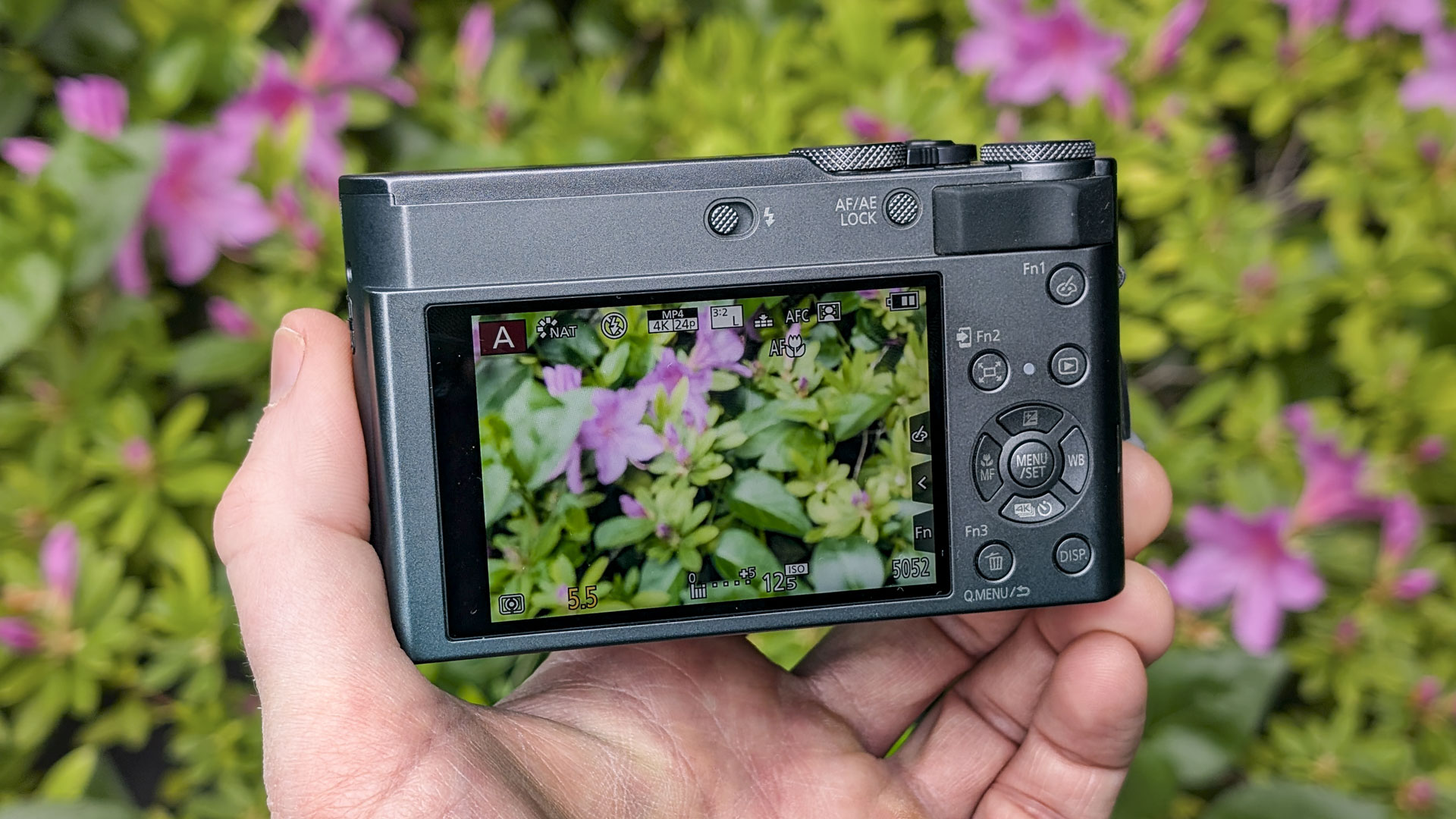
What bothers me more is that the new version offfers no compensation — there’s just more plastic in place of where the viewfinder once was — and it feels dated in other areas. For example, in the absence of a viewfinder, I would have loved for Panasonic to install a tilt mechanism for the 3-inch rear display for easier viewing from awkward angles, but we again have a fixed screen.
Nor do we get Panasonic's latest features seen in other recent cameras, such as its improved autofocus and Real Time LUTs color profiles.
So what are we to make of the Lumix ZS300? There is seemingly enough of a compact camera resurgence to merit Panasonic bringing the range back to life, but not enough competition or consumer desire (or both) for Panasonic to feel it was worth producing a truly new and improved model — the quality was already there eight years ago to satisfy today’s demands.
The bottom line is that I’m happy to see the popular Lumix travel zoom return — I just wish for a little more camera.
Panasonic Lumix ZS300 / TZ300 specs
Type: | Compact, travel zoom |
Sensor: | 1-inch CMOS |
Displays: | 3-inch fixed touchscreen with 1.84m dots, no viewfinder |
Memory: | SD |
Lens: | 24-360mm equivalent, f/3.3-6.4 (15x optical zoom) |
Battery: | Embedded rechargeable 1255mAh Enduro Lithium-Ion |
Video: | 4K 30p |
Photo: | 20MP |
Dimensions: | 4.4 x 2.6 x 1.8 inches / 111 x 66 x 46 mm |
Weight: | 0.75lbs / 337g with battery and SD memory card |

Panasonic Lumix ZS300 / TZ300: Price and availability
- Announced in March 2026 and available from the start of May
- Costs $899 / £869 / AU$1,599
- Available in black or gray
The Lumix ZS300 / TZ300 is expected to hit stores in May 2026 and cost $899 / £869 / AU$1,599. It comes in two varieties — the gray version that Panasonic sent to me for this review, and an all-black version.
That price pits the Lumix TZ300 against the likes of the Canon PowerShot V1, which is a vlogging camera with a bigger sensor, superb autofocus and modern video skills, but a narrower standard zoom range. Given how much new tech is in Canon’s compact, it feels like better value (and there's rumored to be a travel-zoom version on the way which could rain on the Lumix parade).
The same money could also get you a small beginner mirrorless camera with kit lens, such as the excellent Fujifilm X-M5. Overall, the Lumix TZ300 feels like okay value at best.
- Price score: 3/5
Panasonic Lumix ZS300 / TZ300: Design
- Small and compact, with a foldaway / extending lens
- Finally, USB-C charging
- No viewfinder, detail-rich fixed 3-inch touchscreen
I’ll cover the core specs of the Lumix TZ300 in this review, but most of what you need to know about the camera’s design and performance has already been covered in our Lumix TZ200 review.
The Lumix TZ300 is still a tidily packaged camera that slips easily into a pocket, with a reassuring weightiness — it feels like a quality piece of kit.
There are rubberized front and thumb grips for a firm hold, and every control is nicely dampened but also responsive, as is the 3-inch touchscreen.
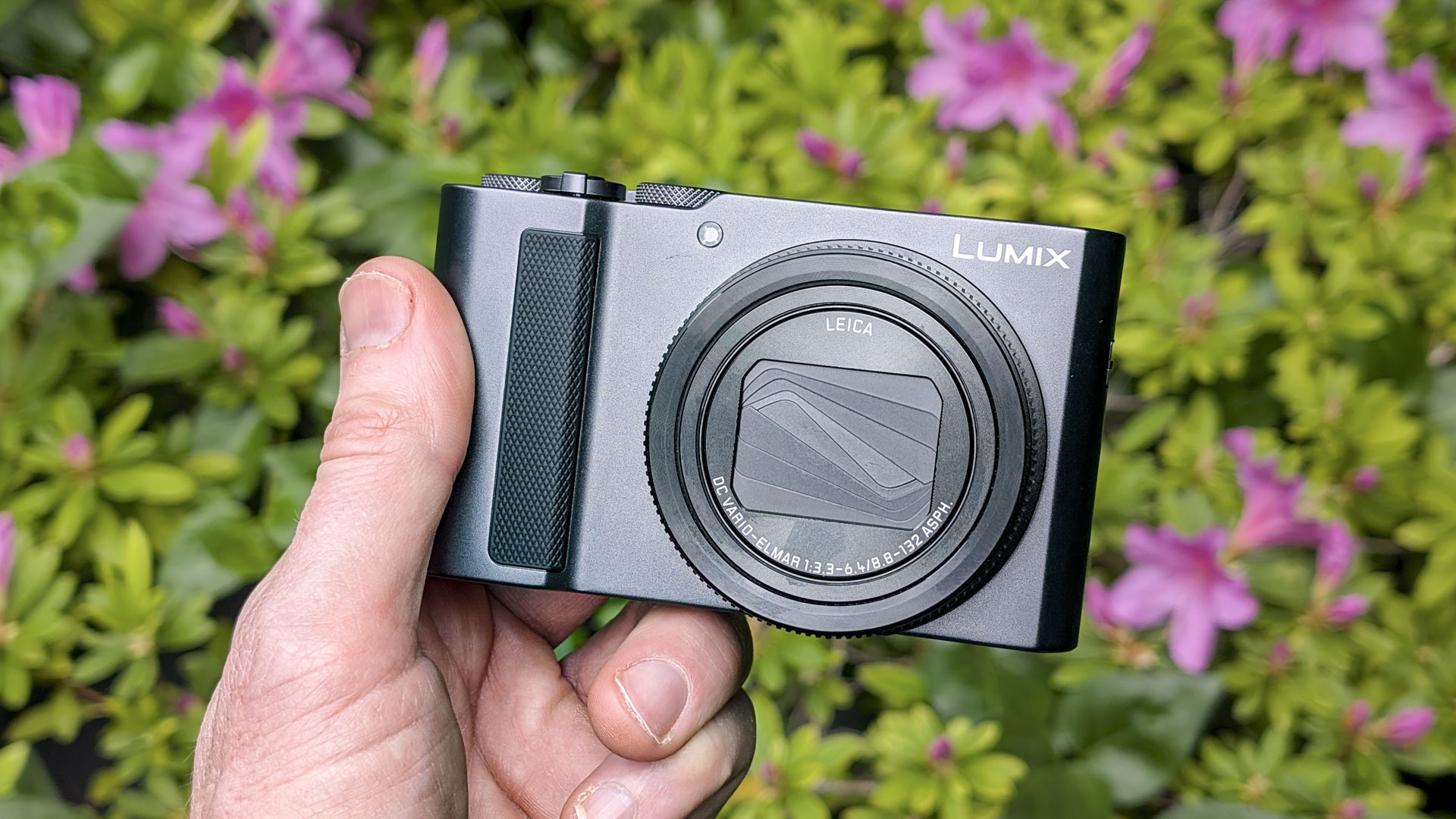
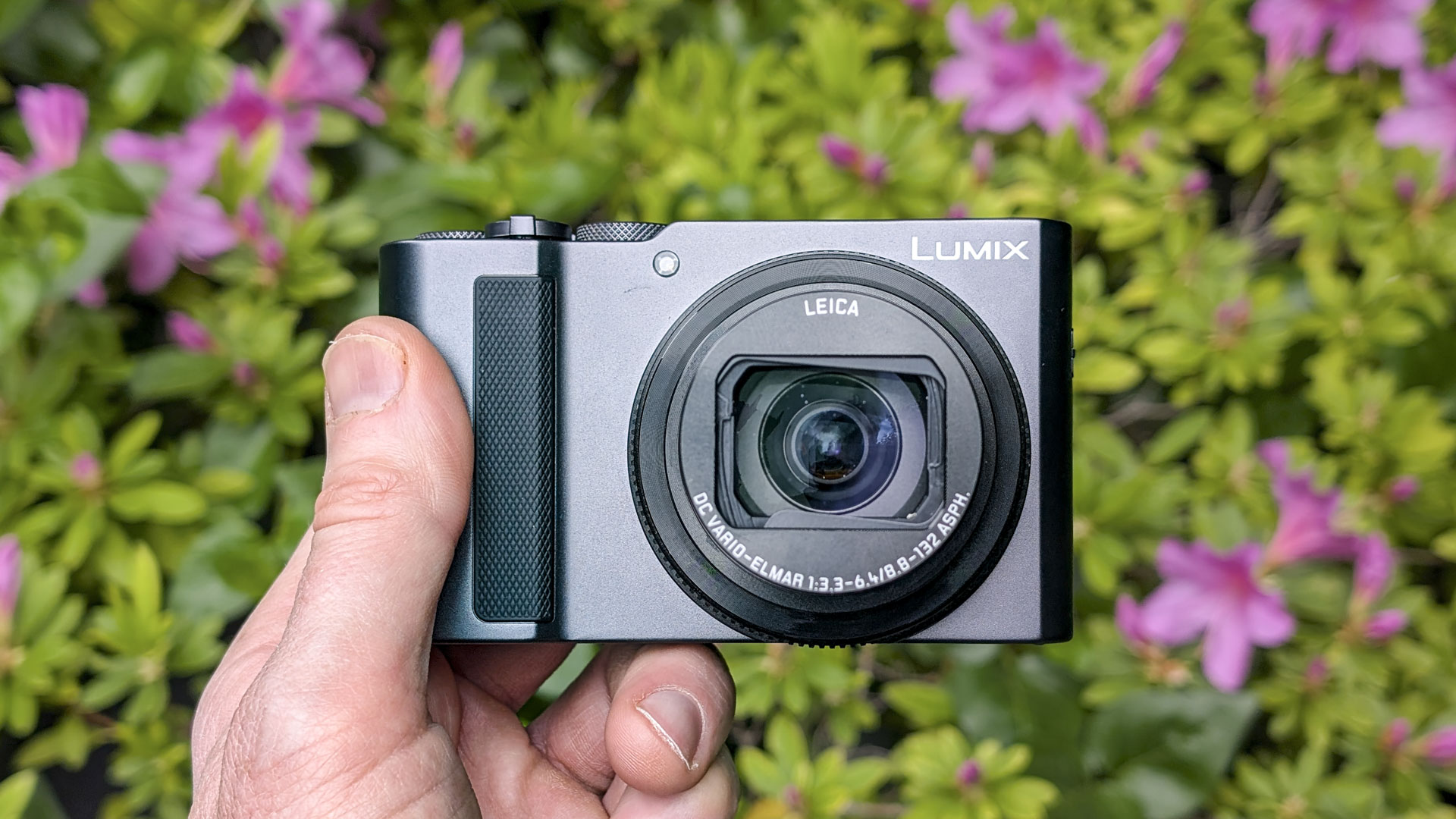
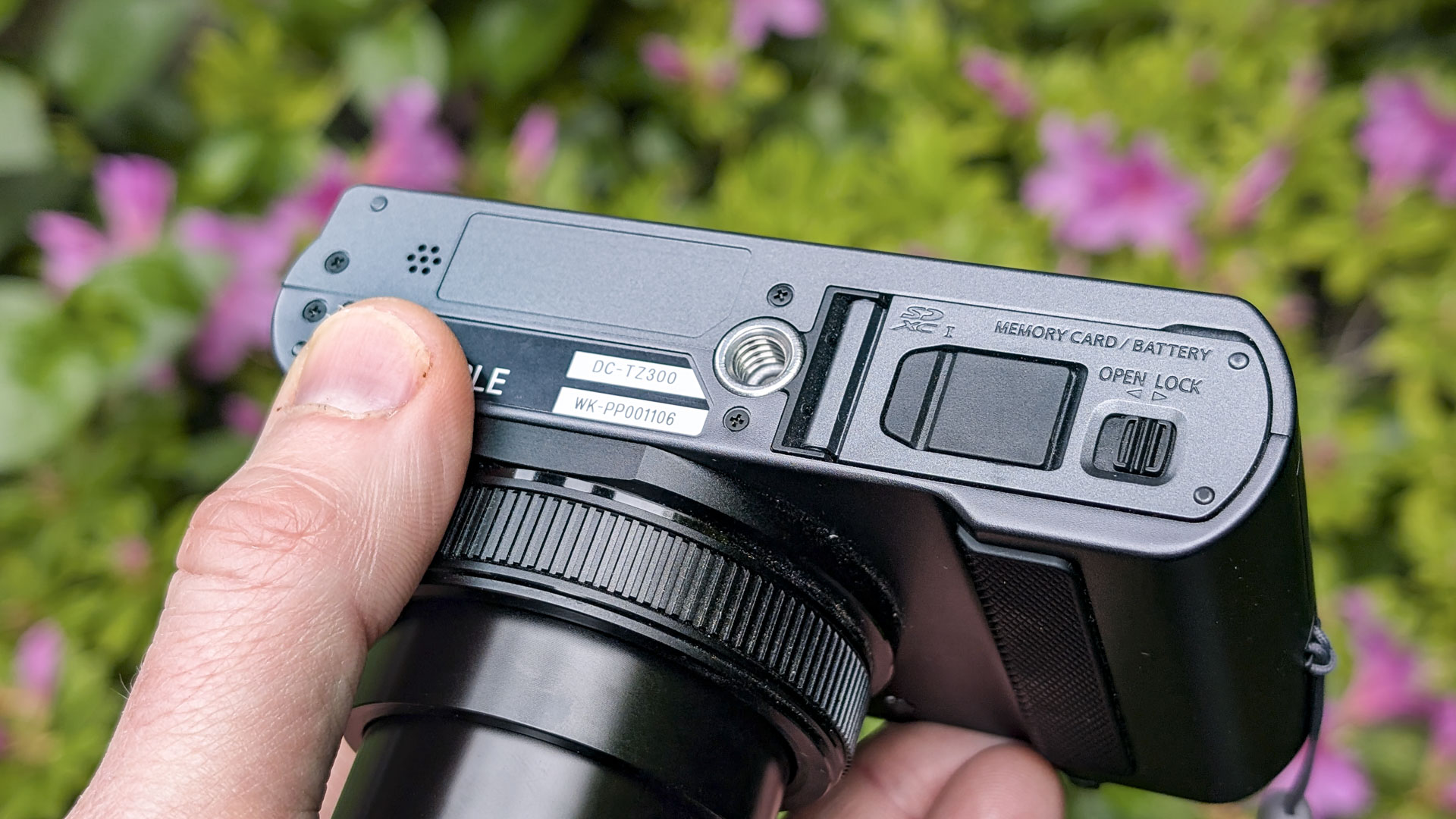
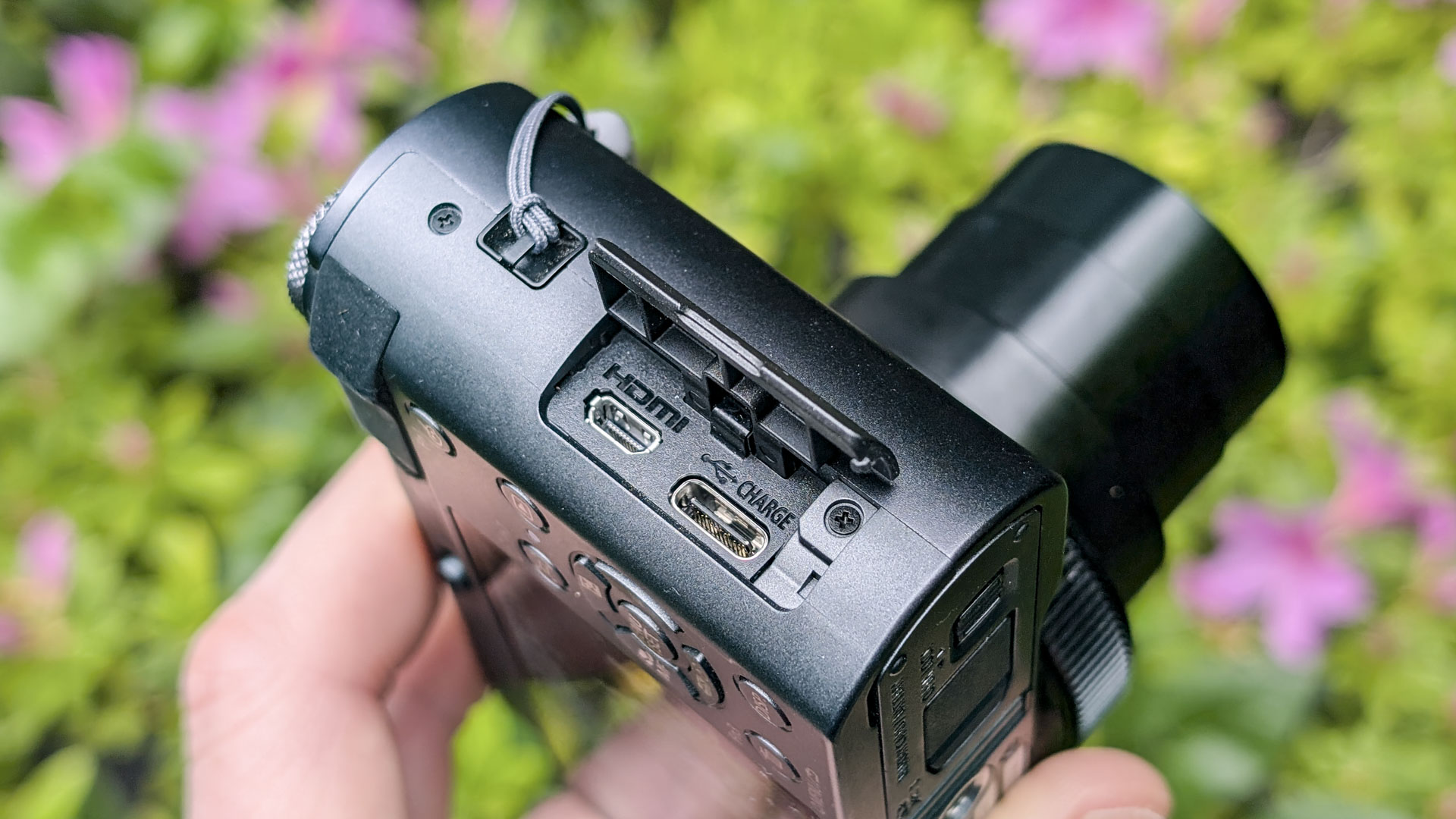
The lens folds neatly away when the camera is powered off, and extends smoothly as you move through the zoom range, either using the ring around the lens or the touchscreen — it’ll depend on which shooting mode you’re using.
It’s easy enough to set the camera to auto and let it take care of the settings based on the scene you're photographing, but there are also enough manual controls to satisfy discerning photographers, including manual exposure and auto ISO with the ability to set a minimum shutter speed (my go-to setup with my professional camera).
A pop-up flash is squeezed into the body, and is a handy feature for party portraits and creative low-light photography, especially since it’s possible to manually adjust its strength and swap between first and second curtain flash sync (the point at which the flash fires during exposure).
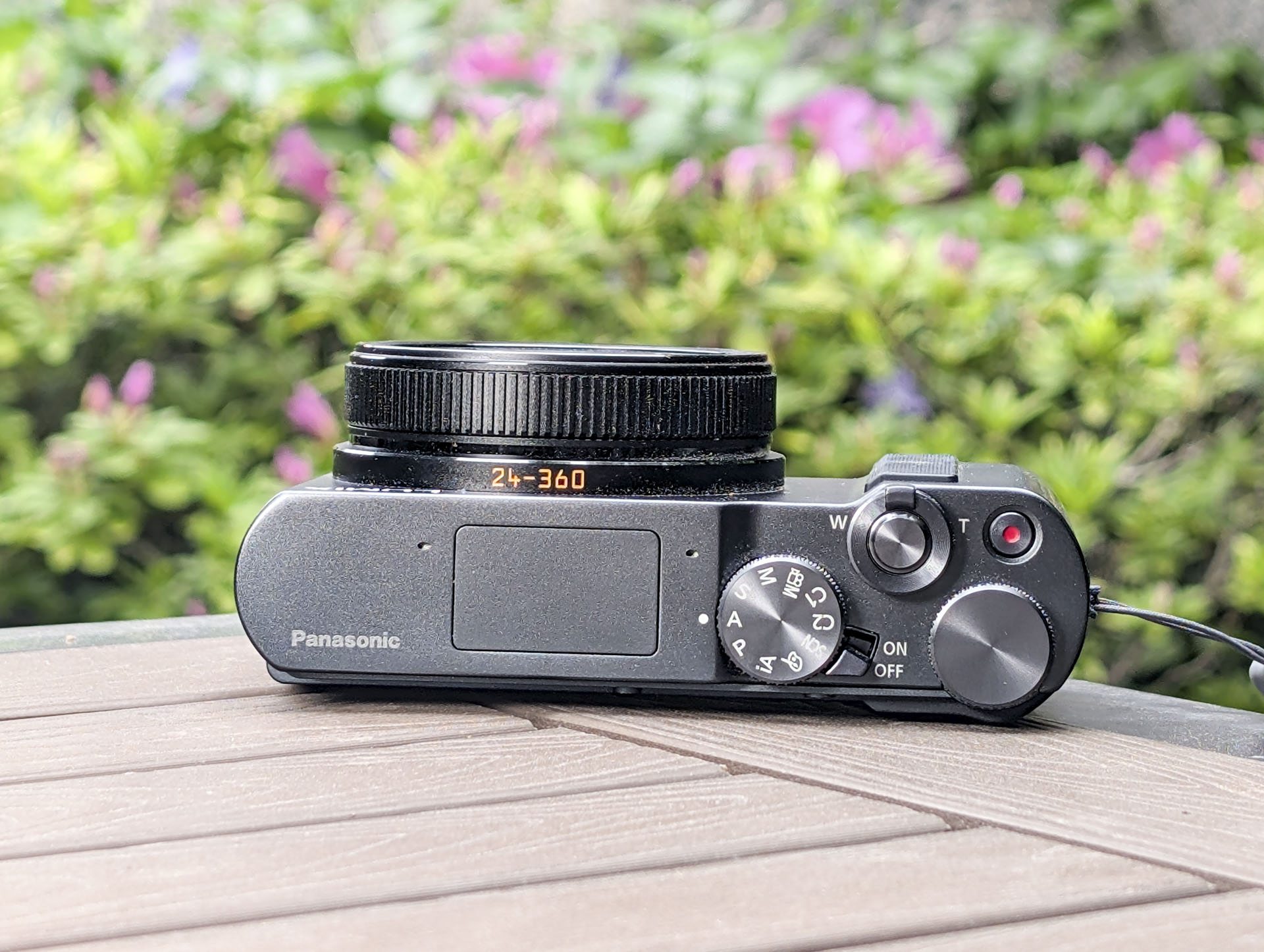
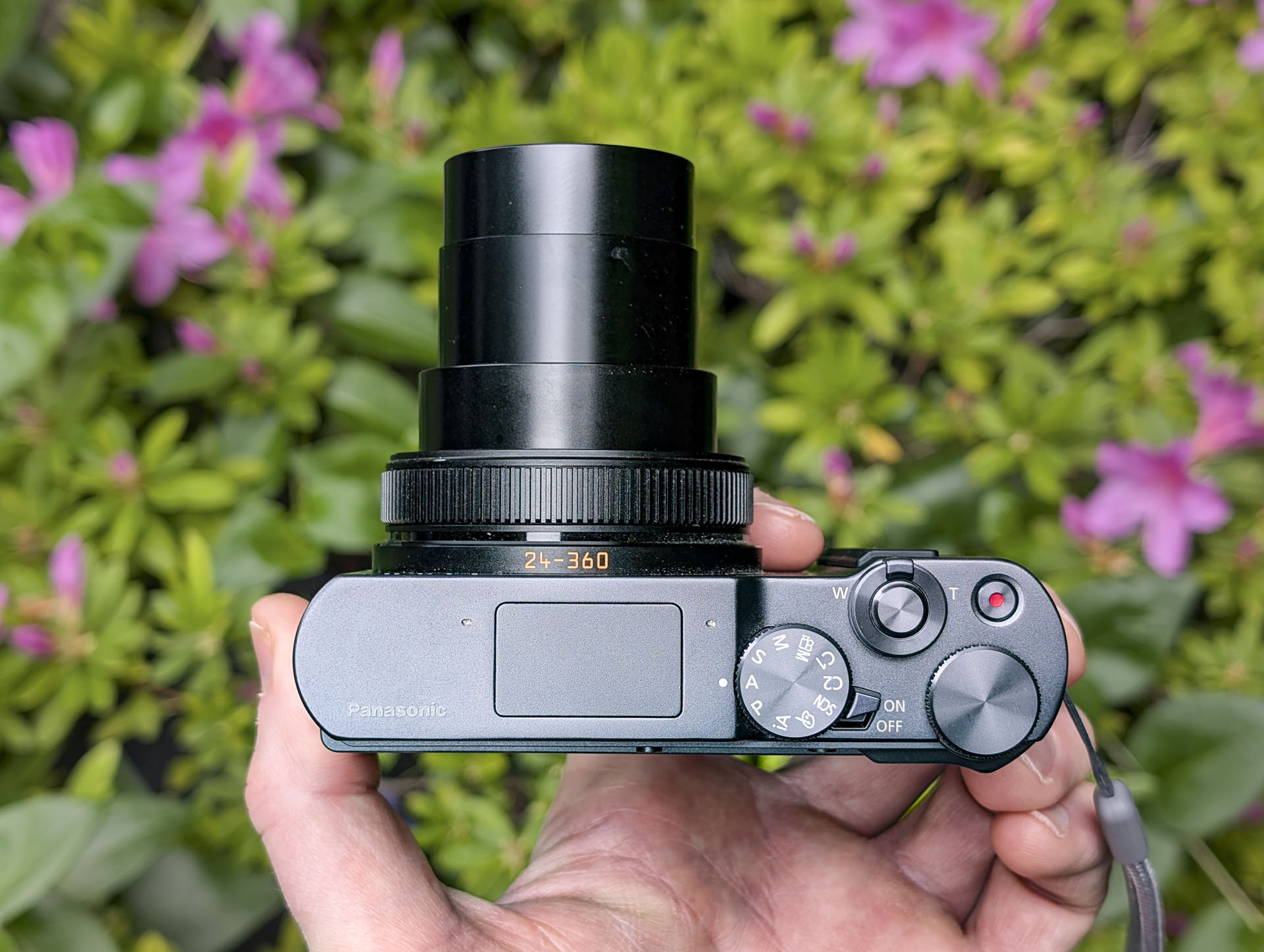
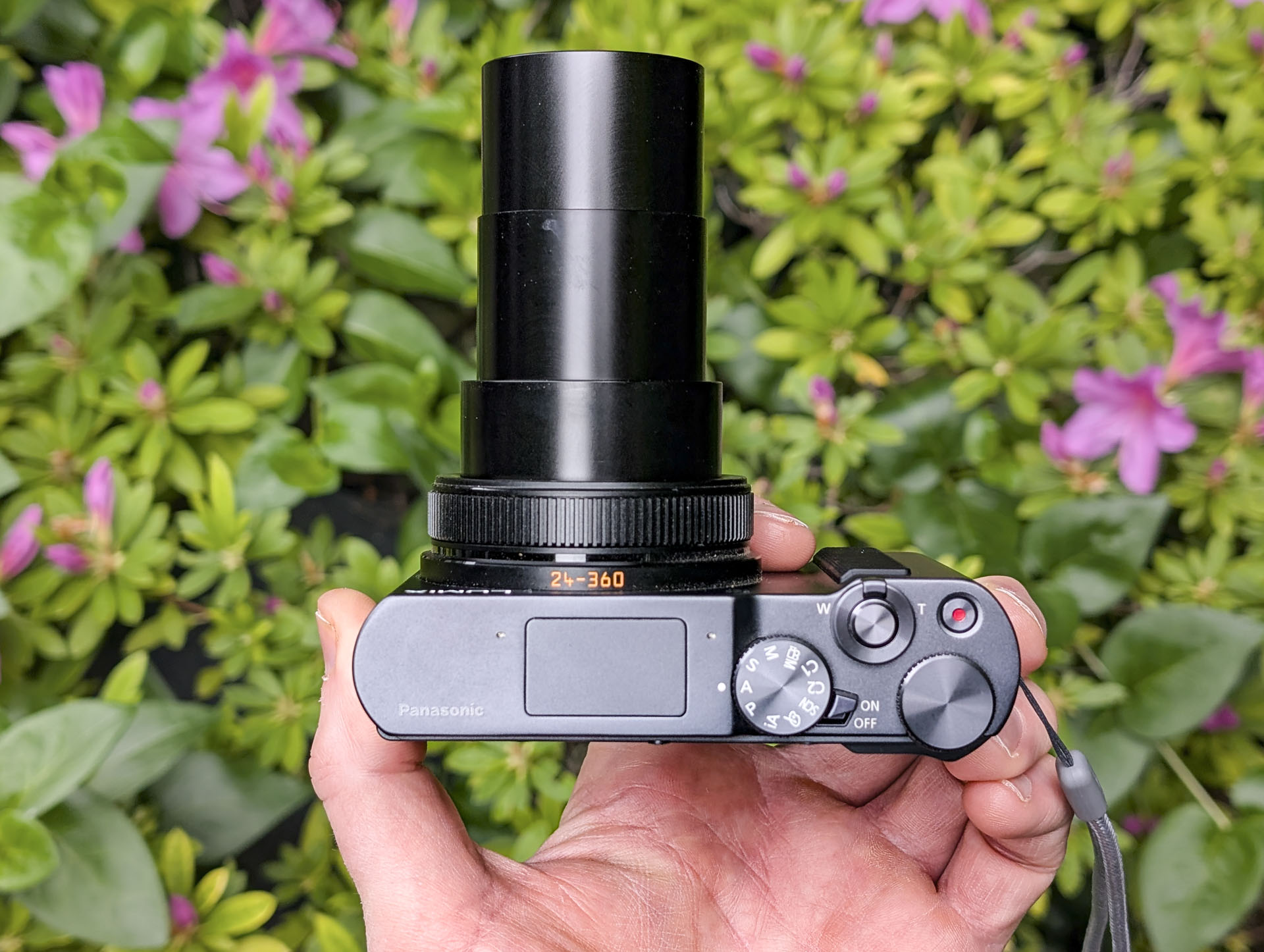
I really appreciated how slick the touchscreen function felt, and the detailed 1.84m-dot display itself, but a pronounced bump serves to highlight how its fixed design could have easily been upgraded to tilt without increasing the camera’s footprint.
Although the original viewfinder wasn’t the best in terms of the viewing experience, it was positioned smartly at the top-left, and felt easy to bring to the eye. I did miss having the option in the new version of the camera.
As mentioned, with the viewfinder having been removed I would have liked to see a tilt-screen upgrade to further assist viewing in bright light and at awkward angles; as it is, there's just plastic where the viewfinder was on the previous model.



- Design score: 3.5/5
Panasonic Lumix ZS300 / TZ300: Performance
- Versatile 15x optical zoom and decent stabilization performance
- Decent photo quality, dated video specs
- On-the-go charging is handy for traveling
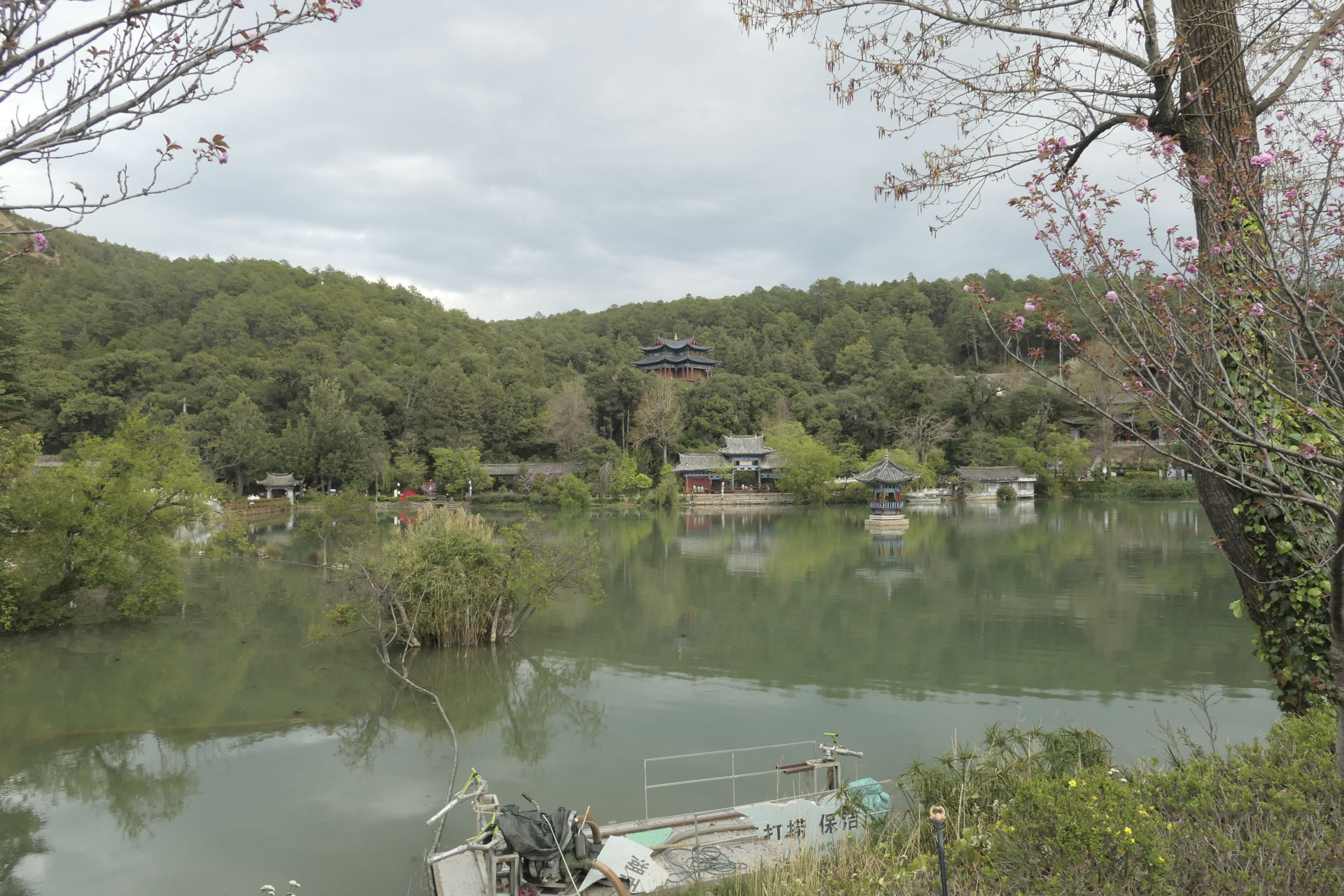
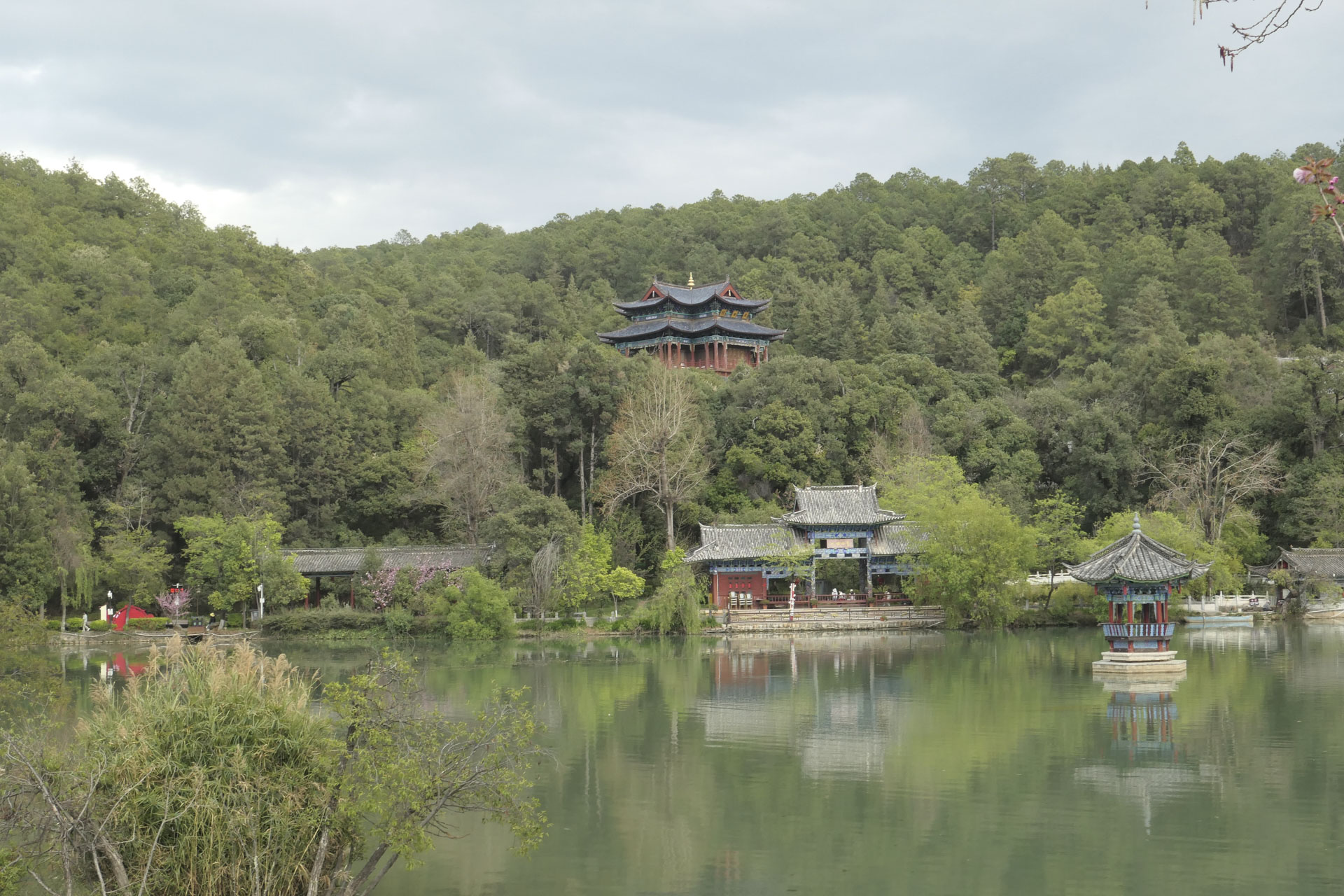
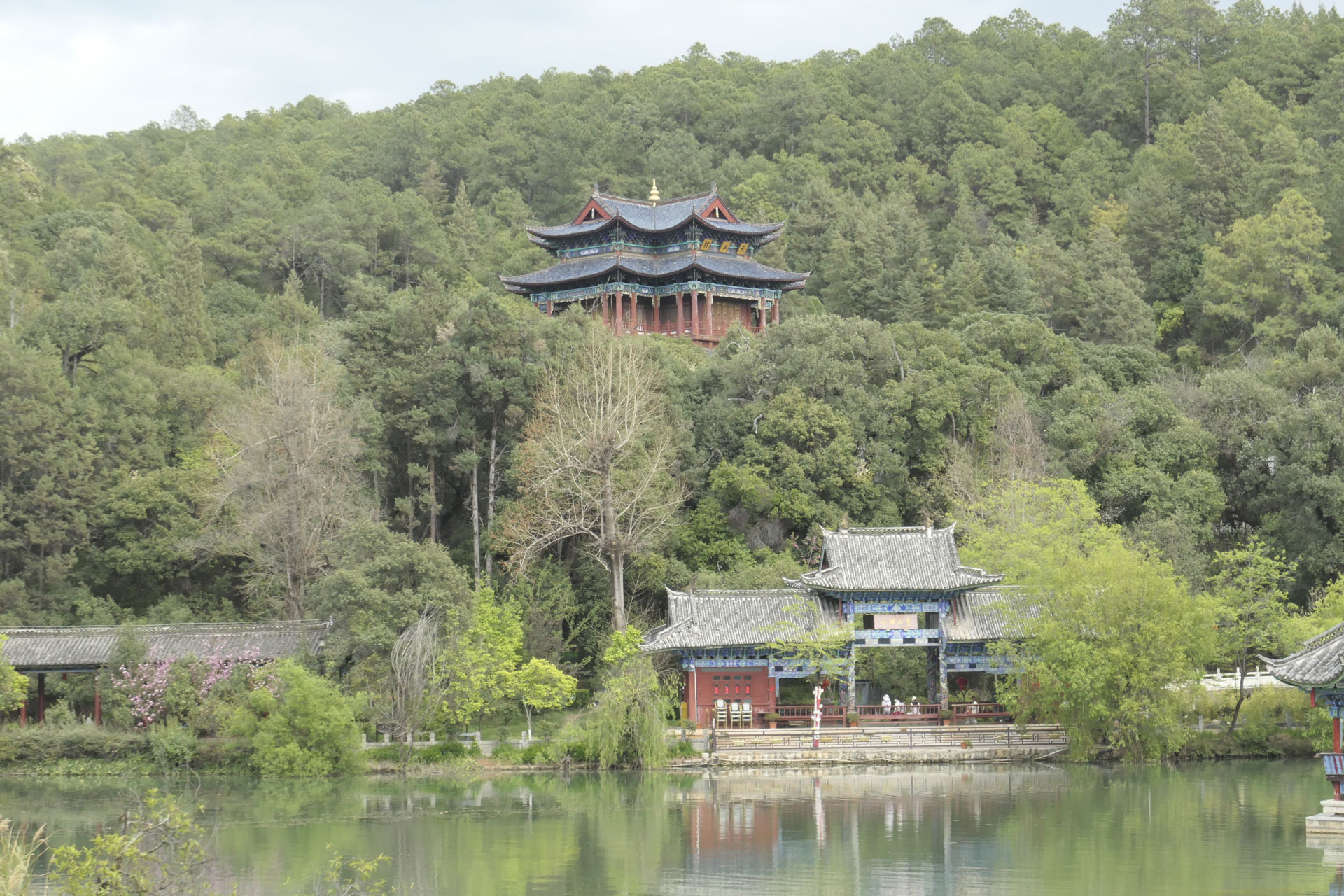
For such a versatile and small camera, the image quality from the Lumix ZS300 / TZ300 is surprisingly good. Naturally, you lose a little sharpness at the telephoto end of the zoom, but it’s still decent enough.
What you also lose as you zoom in is light sensitivity. That’s because the maximum aperture is reduced from f/3.3 at the 24mm wide-angle end to f/6.4 at the 360mm telephoto setting.
Long-exposure photography isn't well served — the minimum possible lens aperture is f/8, and there's no practical way to utilize an ND filter besides physically holding one in place in front of the lens.
Still, the 1-inch sensor knocks the socks off the much smaller one in Panasonic's other recent travel zoom compact, the Lumix ZS99 / TZ99, a camera that majors on versatility and value, less so on quality. For me, this new Lumix, like its predecessor, strikes the right balance between quality and versatility.












In addition to Panasonic’s usual color profiles, there are filter effects including cross process and toy camera. These effects have been around for years, and in an age of Real Time LUTS profile and flat LOG profiles for video recording, they feel a little dated.
And, if it wasn’t already obvious, none of Panasonic’s current Real Time LUTs or LOG profiles are present, which also means no access to customizable LUTs as you get with the Lumix S9 mirrorless camera.
There’s nothing new under the hood, which means we’re getting an old processor, limited continuous shooting speeds, and dated autofocus performance compared to other cameras at this price point.
The autofocus system did feel dated to me. Yes, subject tracking and face / eye detection was a thing back in 2018 and we still have it here, but Panasonic’s recent mirrorless cameras have much more responsive autofocus performance.
Is having similarly good autofocus too much to ask for in a compact camera? Maybe, but look at Canon, which has bestowed excellent autofocus features on its PowerShot V1.









There is a particularly versatile macro focusing mode, mind you. Close focusing is so effective, in fact, that you can effectively be touching your subject with the end of the lens and it’ll still be in sharp focus.
Battery life is decent enough without standing out. The 1,025mAh unit can capture up to 360 shots on a full charge according to its CIPA rating, which felt about right based on my use.
And on-the-go USB-C charging, a boon for traveling, is a big upgrade in the new Lumix TZ300 over its predecessor, which doesn’t offer it.
- Performance score: 3.5/5
Panasonic Lumix ZS300 / TZ300: testing scorecard
Attributes | Notes | Rating | Header Cell - Column 3 |
|---|---|---|---|
Price | Considering this is the same camera as the 2018 model, but without a viewfinder, it feels a little pricey | 3/5 | Row 0 - Cell 3 |
Design | A 15x optical zoom and intuitive control layout, but no viewfinder and a fixed screen limit usability | 3.5/5 | Row 1 - Cell 3 |
Performance | The versatility to image quality mix is spot on if you need a good zoom, however video specs are dated | 3.5/5 | Row 2 - Cell 3 |
Should I buy the Panasonic Lumix ZS300 / TZ300?
Buy it if...
Don't buy it if...
Also consider
If it’s the zoom range that appeals, then Panasonic’s own Lumix ZS99 / TZ99 goes even further and is a low-cost alternative. It has a greater 30x zoom range and similar handling, but its sensor is smaller and image quality is no match for the TZ300. You could also check out the Lumix FZ80D / FZ82D, which is similar in performance to the cheap Lumix ZS99 / TZ99, but is a bulkier bridge camera.
Read our in-depth Panasonic Lumix ZS99 / TZ99 review
An altogether different kind of compact camera, the PowerShot V1 puts quality and performance first over zoom versatility. This has Canon’s latest autofocus system, better video recording specs and a larger sensor with faster lens. If you don’t need the zoom range of the Lumix TZ300, then this could be your best alternative. There are rumors that Canon could launch a travel zoom compact in the same mold of the PowerShot V1. If it did, with the latest tech and similar pricing, then it would better the Lumix TZ300 in virtually every metric.
Read my in-depth Canon PowerShot V1 review
How I tested the Panasonic Lumix ZS300 / TZ300
- I took the Lumix ZS300 / TZ300 traveling for a couple of weeks
- I tested all of its photo and video modes
- I checked battery life and USB-C charging
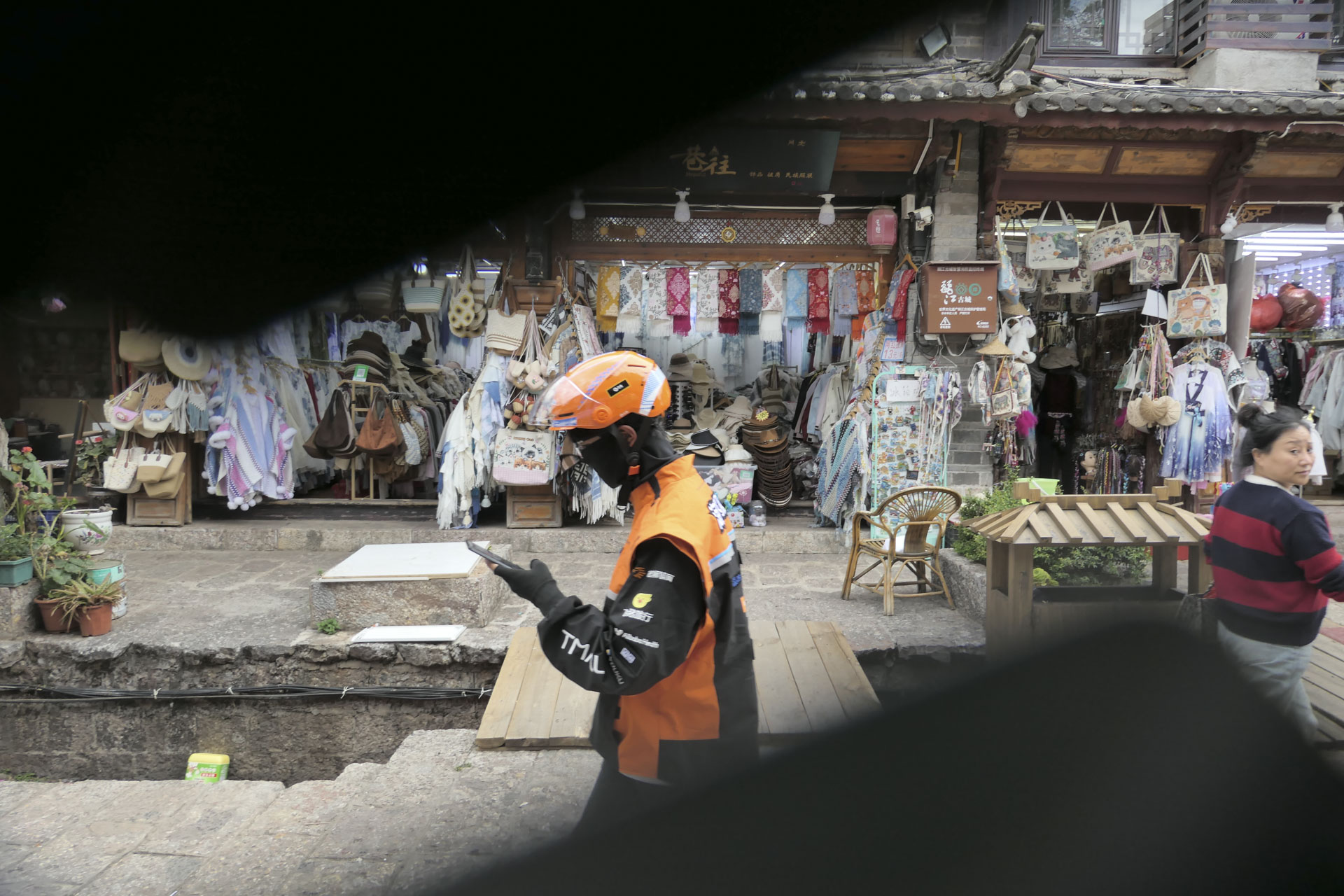
Panasonic loaned me a Lumix TZ300 for two weeks to complete my review. I was fortunate to be traveling in China during this period, and was therefore able to use it for the scenarios it’s designed for, taking video and photos of ancient towns, portraits, wide vistas and more.
I shot the same photo sequences spanning the zoom range of the lens, shoot photos in raw and JPEG format, and video in 4K and 1080p with the various frame rates.
For a lot of the test I was in changeable weather conditions at high altitudes. I kept track of battery life, counting how many photos I could take on a full charge, plus how long it took to recharge the camera.
- First reviewed April 2026

You must confirm your public display name before commenting
Please logout and then login again, you will then be prompted to enter your display name.