I watched two robot videos at the opposite ends of the Cantril Scale. You know, the ladder that measures human happiness in steps but that I am now applying to humanoid accomplishment?
At the bottom step and living its worst possible artificial life, we have this Qualcomm SoC-powered robot that, after delivering the new Qualcomm Dragonwing IQ10 robotics reference platform on a tray to a presenter, spectacularly collapsed lifelessly at the guy's feet. The robot raised one hand as if in defeat, and seconds later, handlers rushed out to throw a sheet over its lifeless mechanical body.
Robot powered by Qualcomm’s new AI chip dies mid-presentationfrom r/singularity
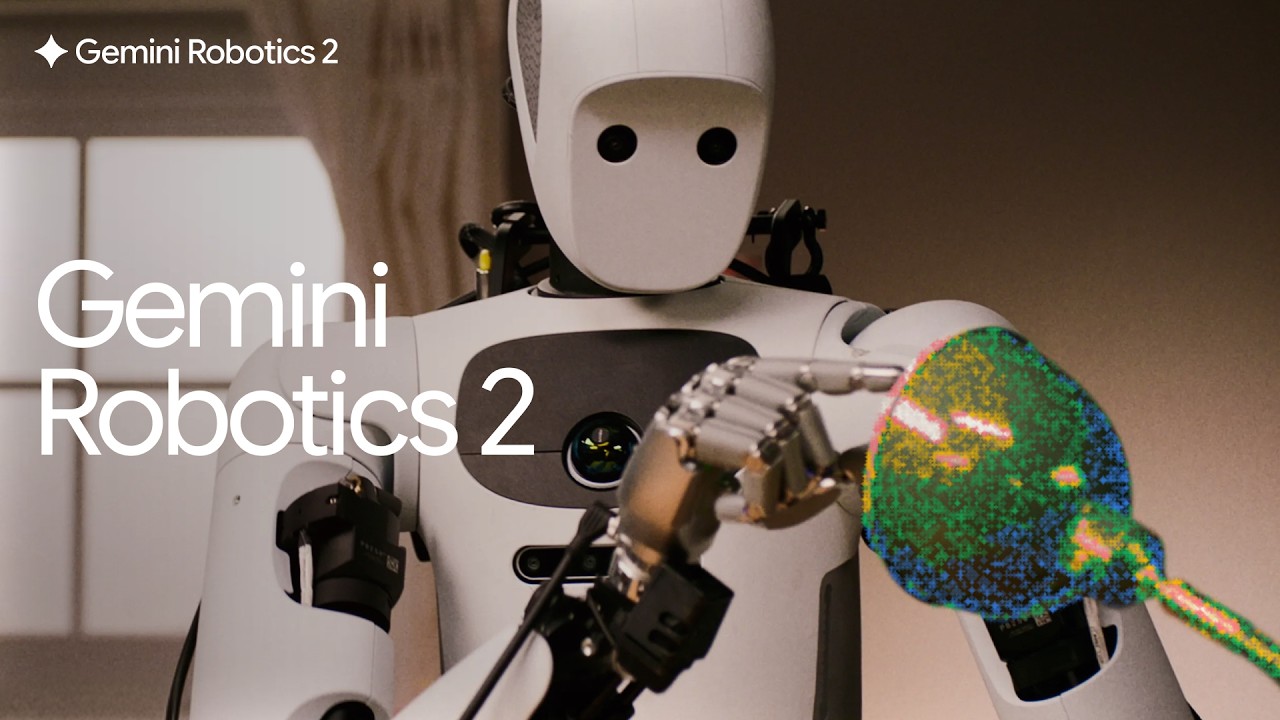
At the top of the ladder and full of artificial life satisfaction, we have the Apollo Robot from Apptronik. It's running DeepMind's Gemini Robotics 2, a new artificial intelligence layer that lets it autonomously accomplish a wide variety of human-like tasks, which it demonstrates in a new DeepMind video.
Watching the two videos side-by-side, I was struck by both the leaps in humanoid robotics we're making almost daily thanks to new foundation models and the ability to simulate robotic training at scale, and how many humanoid robots remain wildly disappointing.
As I told someone this week, I grow tired of all the companies promising robots in the home doing our bidding (and possibly doing all of our jobs) this year, let alone within the next five years. I've been covering robotics for a quarter of a century; I get the technology, I've watched the trajectory, and even with the most recent rapid acceleration, the majority of humanoid robots fall into the Qualcomm-chip-powered and not the Apollo and DeepMind camp.
It's not clear why the Qualcomm-chip-powered robot collapsed. It could've been an onboard error, which would not be a great way to sell Qualcomm's latest robotics SoC, or maybe it was simply the battery on the human-sized bot. Perhaps someone forgot to charge it up before the presentation, and when the battery was spent, all those electric servos keeping it upright and balanced gave out.
It's not like it was some exciting demonstration of the Qualcomm technology in the seconds before that, when the robot very slowly and carefully walked out on stage looking like someone's 1960s projection of future robot capabilities.
I suspect it would have done better if it were built based on DeepMind's latest breakthrough.
Gemini Robotics 2 is interesting because instead of disparate sensors making choices about movement and touch while someone teleoperates or preprograms the major movements and tasks, this system promises wholly centralized, whole-body control.
According to DeepMind's website on the new technology, Gemini Robotics 2 "brings whole-body intelligence to humanoids, enables advanced dexterity, and can coordinate multiple robots to work together in shared spaces."
The biggest stumbling block (no offense to Qualcomm's robotics technology) is the complexity of our world. Our homes, offices, streets, and overall environments are not carefully planned out to help us avoid mistakes. Instead, they're open environments where we constantly learn and adapt. Basically, we figure out how to live, work, and interact. At a fundamental level, that's what DeepMind hopes Gemini Robotics 2 produces.
They see Gemini Robotics 2 as "the brain that controls the whole body of the humanoid" and, through the use of sensors, vision, and subroutines, adapts and learns how to navigate. In one example they showed, an Apollo robot uses its hands to cinch and tie up a garbage bag. It's something humans do with ease, but it represented a breakthrough for these robots, because they had not been trained on the task.
Meanwhile, that Qualcomm chip-powered robot is lying on the floor after a short walk.
Gemini Robotics 2 is still in the research phase, but it points to more useful and potentially safer robots that can live and work among us and other robots without the constant need for training and oversight.
That's the true state of humanoid robots, and not the promises made by other competing humanoid robot companies like Tesla, Neo, and Figure, though their development may accelerate if they adopt systems like Gemini Robotics 2.
Update 7-31-2026 5:20PM ET: After we posted the story, Qualcomm sent us a note clarifying that the robot is not a Qualcomm humanoid, though it's running the chip maker's SoC, and added this statement explaining what happened with the robot:
“Live demos involve risk. At Computex in Taipei, a brief communication glitch triggered a fault in the prototype humanoid and initiated a controlled shutdown. The robot performed its designed ‘safe-collapse’ sequence, lowering itself to its knees to protect the environment around it. The safety systems worked as intended. The incident also provided valuable real-world data that is helping to further strengthen system reliability and accelerate development of safer, more resilient robotics."

Follow TechRadar on Google News and add us as a preferred source to get our expert news, reviews, and opinion in your feeds.