





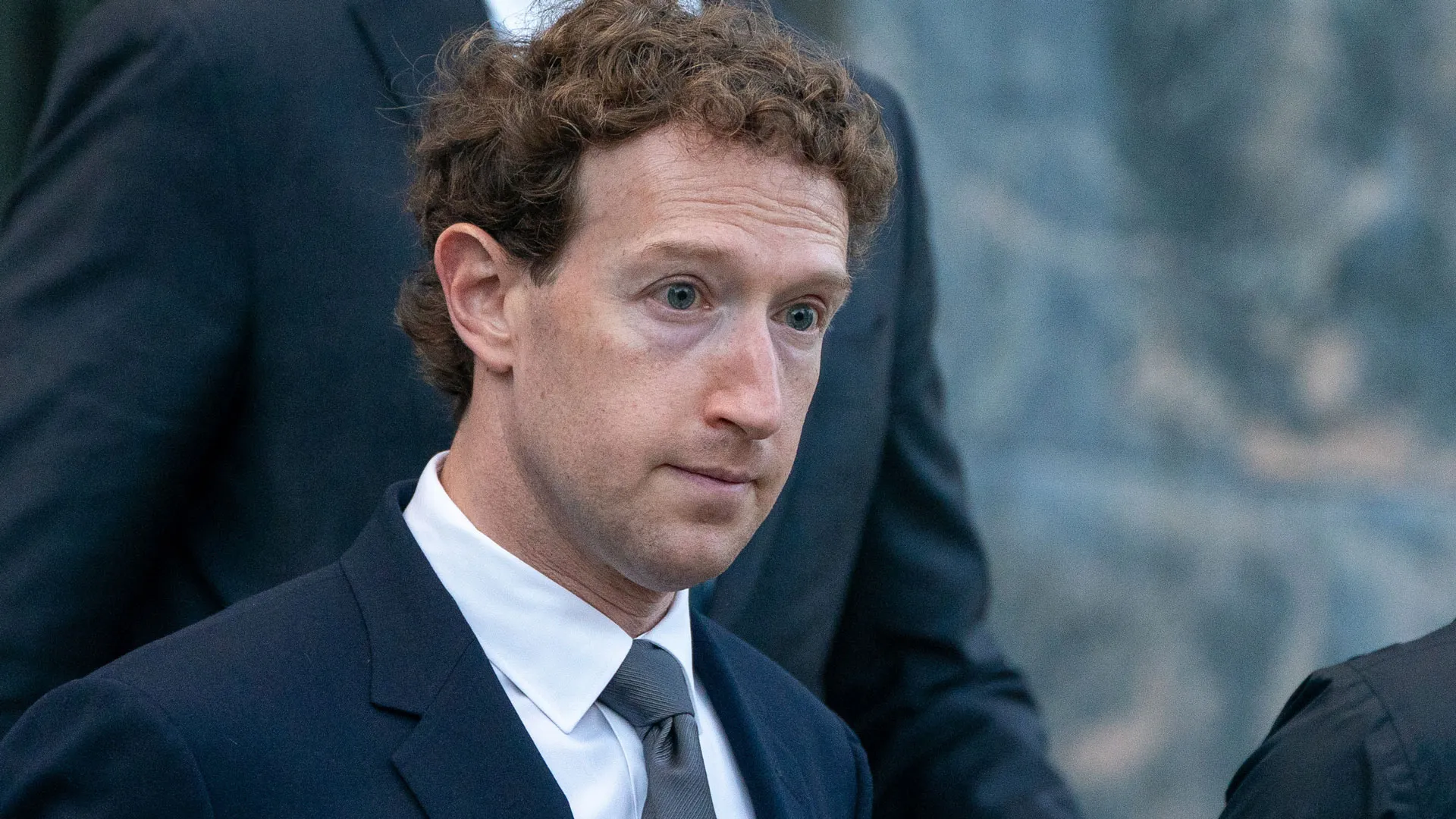
Meta CEO Mark Zuckerberg has released his manifesto for the future of AI, entitled, "The Future is for Everyone", outlining the two paths he believes the technology could take.
On the one hand, Zuckerberg paints a picture of AI being centralized by big institutions and governments purely for the benefit of themselves. On the other hand he paints a picture of Meta (a big institution) leading humanity into a new golden age of limitless bounty and potential.
At the expense of my sanity, I’ve read the whole thing and dissected the key points of his proposals, and what they might mean for you.
Meta is the only one who can stop AI being centralized
To start, I will warn you that there is one key thing missing from Zuckerberg’s AI manifesto: substance.
The introductory paragraphs are the same empty words regurgitated by big tech leaders and AI gurus the world over: “The number of valuable things superintelligence can invent to help achieve your goals is unlimited”, et cetera, et cetera.
The manifesto then moves on to questioning the power structures and ‘centralization’ that threaten the future development and distribution of superintelligence, arguing that the best way to keep the balance of superintelligence in favor of people is by putting it in the hands of everyone.
But there is a glaring contradiction. Zuckerberg’s manifesto positions the US, its allies, and in some cases Meta, as those who should determine how AI can be used. A renewed perspective of the ‘global policeman’ for the AI era it seems, especially as Zuckerberg praises US efforts to limit the AI capabilities of its geopolitical rivals.
Simultaneously, he positions his manifesto, and Meta, as the guiding principles on how the technology should be used, powered, and trained: “If our [Meta’s] beliefs and principles lead, then the balance of power will favor individuals and a better future for everyone,” he writes. Who exactly are these “individuals” Mr. Zuckerberg?
“Meta is the company primarily focused on building personal superintelligence for everyone. Most other labs are focused on building AI for companies, governments, or other institutions, so if those labs lead, then the balance of power will favor larger institutions over individuals.”
The message is clear: only Meta holds the keys to humanity's salvation.
Sketchy stats and promises of jobs
“Recent statistics suggest it may be more likely that individuals' capability growth could match or outpace automation, in which case people will gain the ability to do many new things before their current jobs change. This would lead to a healthy balance and potentially even job growth.”
The statistics Zuckerberg cites aren’t referenced. He also doesn’t clarify if the “healthy balance” accounts for new entries to the job market, or if it will only account for those whose jobs are replaced.
He further argues that workers will have access to “personal superintelligence that expands their capabilities” to be used “as a tool of invention” to produce “incredibly valuable new things”. More empty words to soothe those yet to be replaced.

AI needs regulating, but not your data, your health, or the environment
Zuckerberg also picks and chooses where regulations on AI and data should apply. He writes that “American labs have to comply with many additional restrictions on training data”, and that this is harming US hegemony in the AI industry. He then states that “policy must reduce this additional friction”, essentially calling for these restrictions to be lifted.
Publicly available data can currently be used for AI training, but it's the private stuff that’ll really deliver the full power of superintelligence, or so Zuckerberg would want you to believe.
But don’t worry. Meta will be sure to keep all your personal and private data safe once superintelligence has been delivered.
“We will build a fully private mode where even Meta cannot see or grant access to your information,” Zuckerberg promises. It’ll be offered for “free” too, or “as affordably as possible”. My money is on the latter.
Zuckerberg also complains about how government policy and regulations are causing the US to fall behind in AI development, capacity, and deployment. He calls on the US to “accelerate the ability to build infrastructure – whether that's energy, data centers, or silicon”, despite there being growing national opposition in the US to new AI infrastructure.
Sorry Mr. Zuckerberg, but didn’t you earlier say that, “People also check and balance the power of institutions including businesses and governments”?
Oh, the humanity!
Overall the manifesto reads like a desperate plea, frontloaded with promises offering everyone unlimited happiness while hiding Meta’s true intentions behind the confusing wording of an out-of-touch billionaire.
Zuckerberg's perspective is sickeningly optimistic, written through rose tinted glasses poisoned by wealth, privilege, and power. It praises this undefined ‘superintelligence’ as if it were an apathetic deity, with only Zuckerberg and Meta having the knowledge to ensure it is used for good.
The majority of adults in the US don't want AI infrastructure for very valid reasons. It IS replacing jobs, it IS harming communities, and it IS damaging ecosystems.
What good is promising superintelligence to billions of people around the world when there are far more basic and beneficial problems to solve?
You can use AI to search up your symptoms and get a (potentially hallucinated) AI diagnosis, but you can’t afford healthcare. You can use AI to learn all about why energy prices are rising, but that bill just keeps going up. You can use AI to learn about crop failures and where the poverty line currently sits, but you still can’t afford food.
Zuckerberg seems to believe that AI agents are a need and not a want. That it will somehow advance human intelligence in step with superintelligence.
I could have used an AI agent to write this article.
I could outwardly trust that AI would have covered all the key points, and added the necessary context. But if I had done that I wouldn’t be bristling with new questions, new knowledge, and new things to look into.
Sure, the AI would have suggested some other questions or perspectives to pursue, but they wouldn’t be mine and they wouldn’t be human.
Our existence is defined by constantly pursuing new questions and theories, not having all of them answered immediately in a neat, overly-polite bullet-pointed list.
But if superintelligence can provide a better answer on what it means to be human, I'll eat my hat.

Follow TechRadar on Google News and add us as a preferred source to get our expert news, reviews, and opinion in your feeds.
