


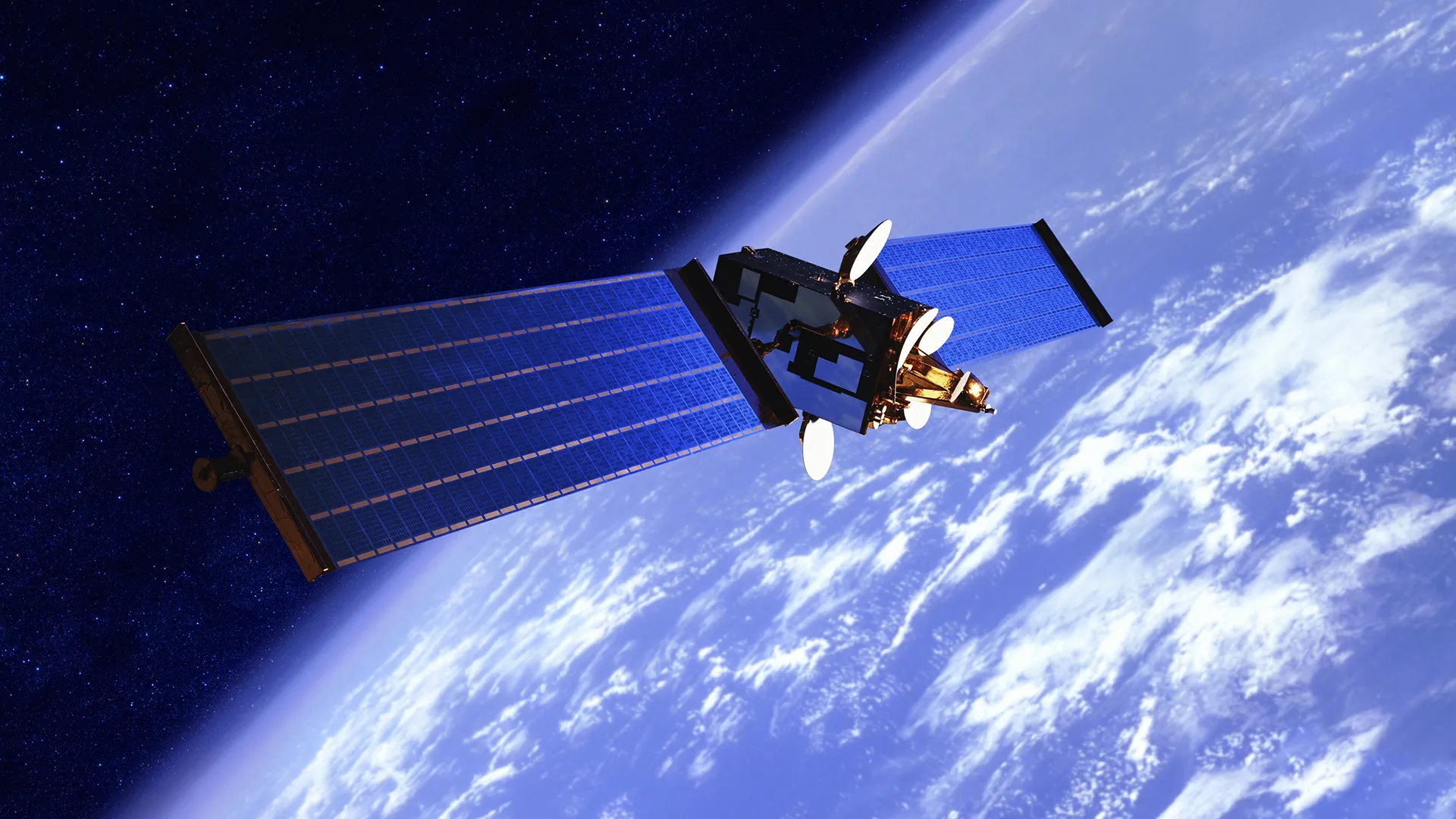
- Russia moves closer to launching another wave of Rassvet communication satellites
- Fresh launch notice points toward another important milestone for the Rassvet network
- Russia plans hundreds of satellites to build an independent communications network
A recent aviation notice suggests Russia is preparing to launch satellites for its Rassvet communications network within the coming days.
The notice, identified by a social media user tracking Russian launches, points to a launch window at Plesetsk Cosmodrome between July 11 and July 16 2026.
Roscosmos, the agency in charge of the country’s space program, has not confirmed the exact timeline, and there is no official comment from the Russian government.
A constellation years in the making
The first three Rassvet satellites reached orbit in 2023 aboard the Rassvet-1 mission from Vostochny Cosmodrome, alongside other Roscosmos payloads.
Those units served purely as test hardware, verifying data transmission, communication stability, and orbital behavior rather than offering commercial service.
Three larger satellites followed in May 2024 under the Rassvet-2 mission, launched from Plesetsk Cosmodrome as fully-fledged production prototypes for testing.
These prototypes tested satellite communication equipment supporting the 5G NTN standard, along with laser links connecting satellites directly in orbit.
Production challenges reportedly affected supply chains for critical components, contributing to schedule slips across multiple phases of the broader program.
In March, Bureau 1440 announced the launch of 16 satellites forming the foundation of the future Rassvet system, roughly three months behind the original schedule.
The notice specifies that one or two launch vehicles could lift off from Plesetsk during the five-day window identified by observers.
Military stakes behind the deployment timeline
Russia's federal project on internet access infrastructure outlines a phased rollout, with 156 satellites planned for 2026 and 292 by 2027.
The 2027 figure is described as sufficient for full commercial service, while the full constellation of 318 satellites is expected by 2028.
Even partial deployment across 2026 and 2027 would give the Russian military renewed access to a reliable Starlink-like communication system.
The urgency to launch increased after SpaceX blocked Russia's unauthorized use of its satellite internet system, prompting Moscow to pursue alternative battlefield communications.
It recently tested a high-altitude stratospheric balloon relay network dubbed Barrazh 1, designed to carry communications relay equipment to roughly 20km above ground.
Ukraine and Western nations have long relied on Starlink for battlefield connectivity, prompting Moscow to pursue its own independent alternative system.
Such capability could be used, among other applications, to help coordinate and guide strike drones across contested battlefield environments directly.
The ground terminals reportedly rely on active phased array technology, similar in principle to the hardware already used by Starlink users.
This design allows a terminal to automatically establish and maintain a stable link with satellites overhead, without requiring manual adjustment from operators.
Whether this specific launch window materializes as scheduled remains uncertain, given Bureau 1440's history of production delays and revised timelines.
If Rassvet proceeds on the stated schedule, it would mark a significant step toward reducing Russian reliance on foreign satellite networks entirely.
Via Militarnyi

Follow TechRadar on Google News and add us as a preferred source to get our expert news, reviews, and opinion in your feeds.
