





- Former Pegasus spyware company head urges governments to reduce reliance on US AI firms
- Governments should focus more on sovereign AI and national security that the infrastructure provided by external entities
- Pegasus spyware was used to monitor politicians, journalists, business heads, and more
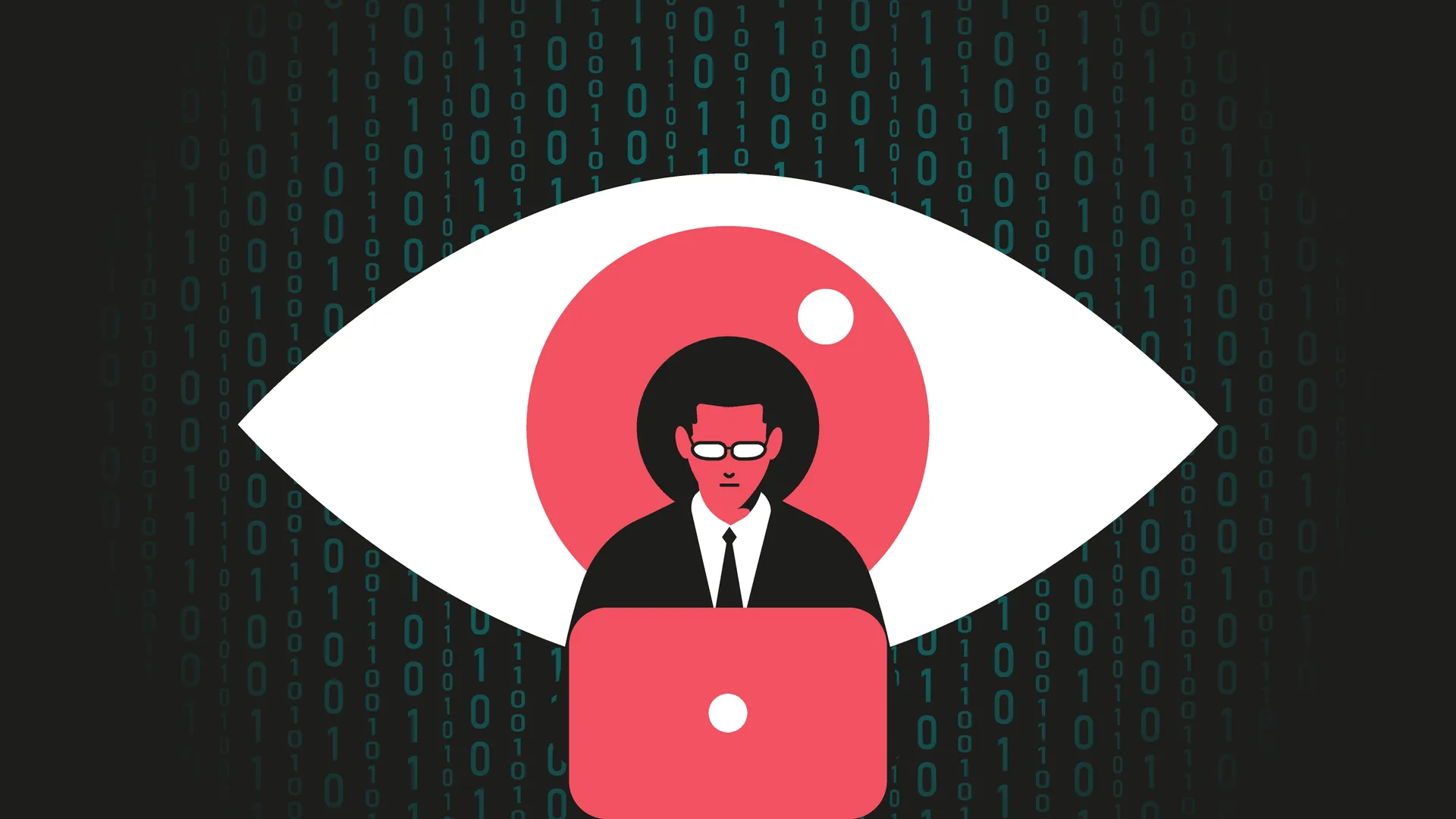
Don’t trust US AI companies with your data and work towards creating sovereign AI, the former chief executive and co-founder of Israeli spyware organization NSO Group, Shalev Hulio, has said.
Hulio was responsible for the creation of the Pegasus spyware used to target politicians, top business leaders, and journalists around the world - marking a change in career that accompanies Hulio’s founding of AI cyber defence firm, Dream.
The former commercial spyware company head wants governments to host and develop their own AI models rather than hand over data relating to national security to US AI firms.
Spyware head to sovereign AI evangelist
“Every government should have their own model,” Hulio told the Financial Times. “They should not take the risk that somebody will wake up one day and shut their model because AI is a critical infrastructure. You want to control your own AI.”
An interesting perspective from the founder of a commercial spyware company that was blacklisted by the US government and continues to receive criticism from the UN and EU over its involvement in deploying Pegasus on thousands of devices by exploiting a WhatsApp flaw.
“Despite the public opinion, governments managed to prevent terror attacks and managed to save hundreds of thousands of lives along the years using NSO products,” Hulio told FT, adding, “Governments really appreciate, I think, the relationship that we had before.”
Dream was co-founded by Hulio and former Austrian chancellor Sebastian Kurz in 2022. The company initially sought to provide AI-enabled cyber defense tools to governments. The company has been credited with detecting the world's first autonomous AI end-to-end attack in which Chinese hackers used open-source AI models to discover and chain vulnerabilities to crack into Taiwan government agencies - including the nuclear safety agency.
Now, Dream is offering a portfolio of products that includes an AI-enhanced national-scale cyber defense system, an AI-powered software vulnerability discovery platform, and an AI platform that helps governments set up sovereign AI models that are not reliant on external infrastructure.
The models Dream offers are also bespoke for government use and trained on their customers' data to help refine the model more tightly to government needs, helping to keep costs down. “We are saying to entities within the government, you should have a very narrow but very smart model that can run very fast on one or two or three GPUs,” Hulio said.
Dream has raised $400 million in funding and investment, and was valued at $3 billion earlier this year. The company has so far sold its products to over a dozen countries across Europe, Asia, and the Middle East.

Follow TechRadar on Google News and add us as a preferred source to get our expert news, reviews, and opinion in your feeds.
