





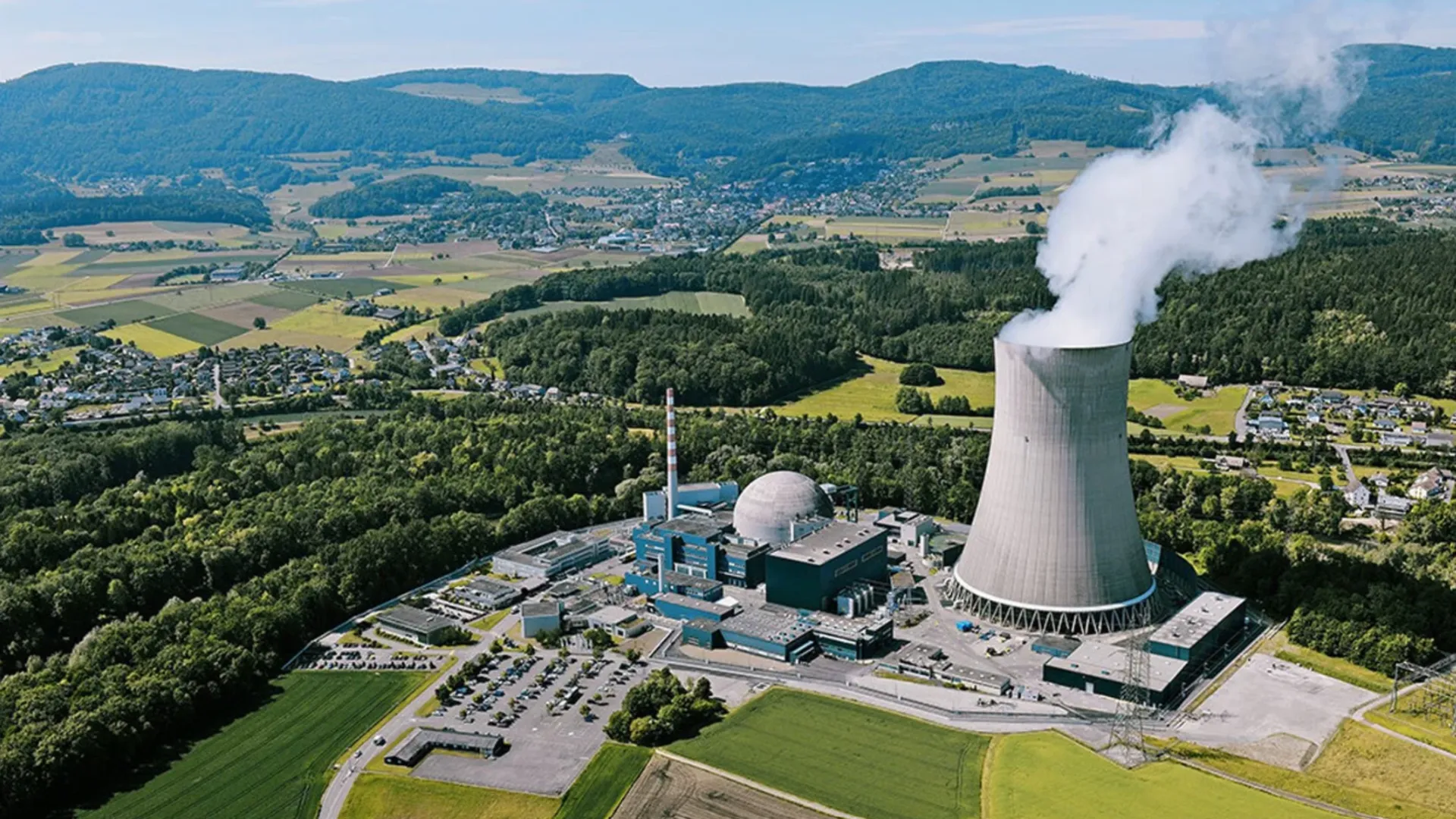
- Three nuclear plants would add 2.25GW of electricity to the grid
- Microsoft and Google plan to use power from those sites
- Trump wants 400GW of nuclear capacity by 2050
In its ongoing effort to become an AI global superpower, the US is reportedly gearing up to restart three previously closed nuclear power plants simply to keep up with the energy demands caused by AI data centers.
Together, the three nuclear facilities would likely provide 2.25GW of electricity, or enough to power two million homes and businesses (per The Los Angeles Times).
And the US Department of Energy looks to be a major supporter of the projects, providing up to $4.4 billion in federal loans.
Dormant nuclear plants are being woken to power AI
Microsoft and Google have already signed agreements to purchase electricity from two of those facilities, with power plant restarts now slated for between 2027 and 2029, per the report.
Importantly, these likely mark the first commercial nuclear reactors to be restarted after being formally decommissioned, with rising demand for reliable and low-carbon electricity surging.
The first of three, Palisades Nuclear Plant in Michigan, closed in 2022 nine years before its license was due to expire due to its owner withdrawing from the nuclear power business. Electricity purchase agreements for the plan require it to return to service by March 2027, which is just half a year away.
Crane Clean Energy Center in Pennsylvania is also likely targeting a 2027 online date, with Duane Arnold Energy Center in Iowa looking for a 2029 go-live date.
"For anyone who wants zero carbon, nuclear provides that," nuclear engineering expert Todd Allen explained. "For the Trump administration, which really wants nuclear, this fits that story also."
This, of course, falls under Trump's nuclear plans – a May 2025 executive order revealed plans to quadruple US nuclear generating capacity from around 100GW in 2024 to 400GW by 2050.
Still, these latest plans aren't short of criticism, with concerns over the safety of aging reactors being floated, especially in a world of heightened geopolitical activity and natural disasters.

Follow TechRadar on Google News and add us as a preferred source to get our expert news, reviews, and opinion in your feeds.
