


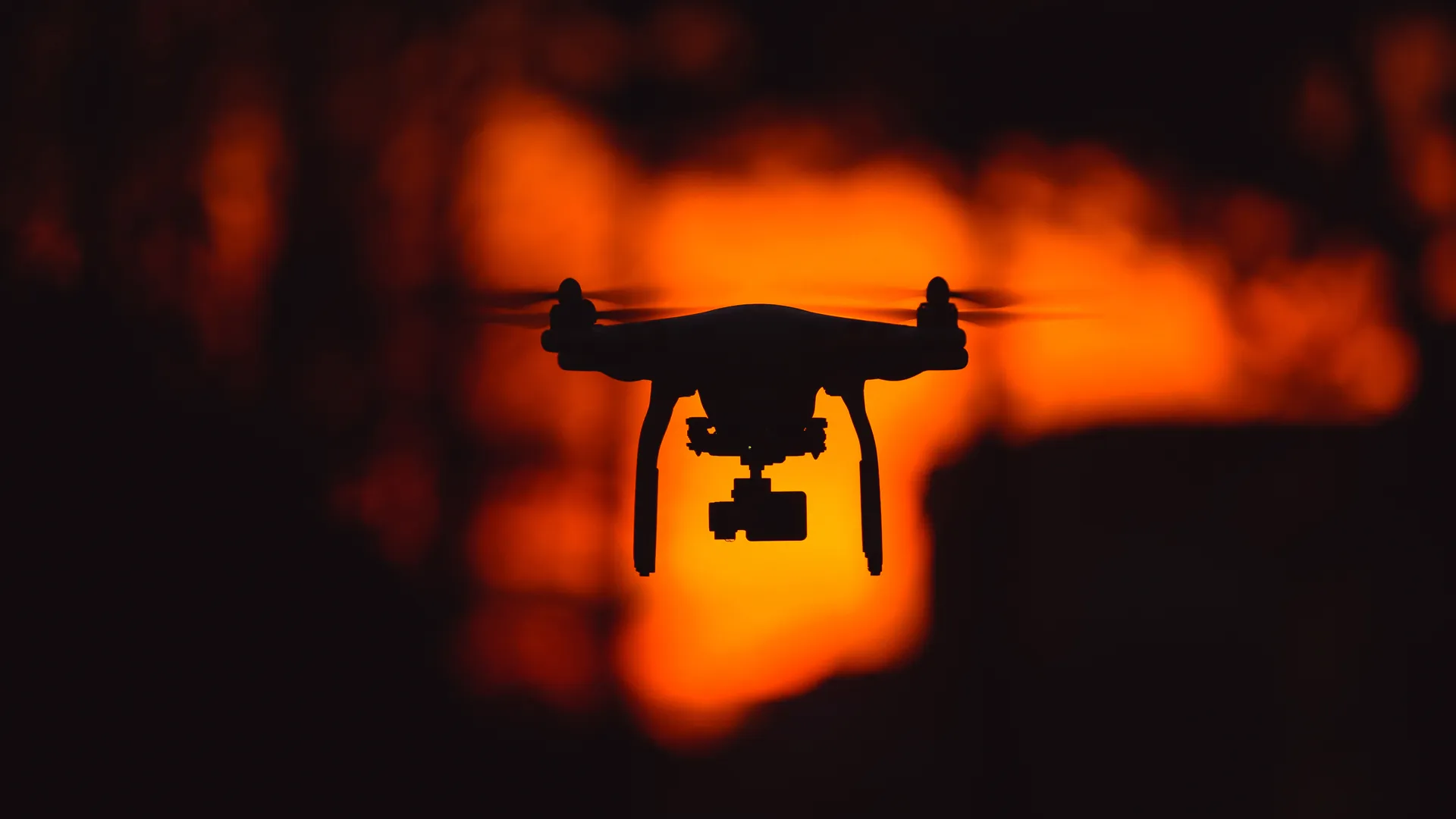
- Trump levies huge tariffs on 'sensitive' drones, such as those heavier than 25kg
- Tariffs have also been applied to a range of other countries, such as the EU, UK, Japan, and Taiwan
- Trump says the tariffs will help strengthen national security while also bolstering the domestic drone market
President Trump has levied a new set of tariffs against imported drones and their components for national security reasons.
For ‘particularly sensitive’ drones, such as those over 25kg, those with docking stations, or those with thermal imaging capabilities, the tariffs are 100%.
“President Trump’s drone tariff program will protect the national security of the United States and its defense and defense-adjacent industrial base, supporting and creating American jobs,” the White House fact sheet said.
Strengthening US industry through national security
Drones below the 25kg threshold will still be subject to a 25% tariff, with drones imported from the European Union, Japan, Liechtenstein, Republic of Korea, Switzerland, and Taiwan subject to a 15% tariff. The United Kingdom has a lesser tariff of only 10%.
The intended consequence of these tariffs is to strengthen the US domestic drone construction industry and the wider domestic drone market.
Outside of outright upping the cost of drones in the US as vendors pass on the costs of drones to consumers, the tariffs will also likely increase the costs of an already constrained supply of specialized drones in the US market.
Many drones imported from abroad, particularly those from China, are used for specialized purposes such as search and rescue and power line inspection. As the US does not have the dedicated industries and resources to quickly begin manufacturing these drones, there will likely be a huge increase of demand for a very limited supply.
The new tariffs also close a loophole allowing Chinese parts to be assembled into a drone in the US. The fact sheet states that drones for commercial and US military purposes “rely on foreign sources for critical Unmanned Aircraft System (UAS) components, which poses significant risks to U.S. national security and creates cybersecurity vulnerabilities.”
The tariffs are due to kick in on September 3 2026, giving the US drone market just 21 days to adjust or pay massively inflated import costs.

Follow TechRadar on Google News and add us as a preferred source to get our expert news, reviews, and opinion in your feeds.
