


- AmneziaVPN rolls out version 5.0.3.0 across all apps
- It brings new XRay-core, TProxy, and minor user updates
- It includes upgrades for Self-hosted and Premium users
Anti-censorship Amnezia VPN has released a new app version that improves stability, introduces an updated Xray-core, and brings updates for both self-hosted and Premium users.
The move comes after the VPN provider spent months strengthening its security measures to counter the attacks launched by Russian organisations that specifically targeted the best VPNs operating in the region.
Version 5.0.3.0 is available on all devices (version 5.0.3.1 for Android); users can download it from the Amnezia website, GitHub, and the Android and iOS app stores.
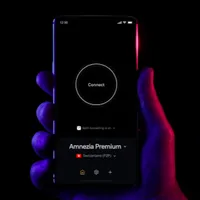
Amnezia VPN 5.0.3.0: what's new?
Rather than a major update with dramatic new features, the new version emphasises general clean-up, maintenance and connection stability.
For example, the XRay protocol, the core component of the proxy that allows users to bypass censorship, has been updated from version 1.3 to 1.4, in line with the adoption of a newer protocol system in the new version.
Additional support for the TProxy container has also been introduced. The Linux support is useful for routing traffic through the VPN at the transparent proxy level, essentially allowing Linux systems to make the traffic appear as if it originates from the user, thereby making it more difficult to block WireGuard connections.
The update also enables self-hosted users to set up a proxy for Telegram by directly going to the “Self-hosted” section to install it.
⚡️The new app version 5.0.3.0 is here.It is now available for all devices (version 5.0.3.1 for Android). Download it from our website or directly from your app store.In this release, we have improved connection stability, updated Xray-core, and added several important updates…September 22, 2026
For Premium users, the VPN has also improved performance when connecting via the VLESS anti-censorship routing protocol.
Additional fixes addressed Android warning log levels, alongside self-hosted default values, links, and other minor issues that have been corrected.
In terms of user changes, the new release includes a Google Play billing library, which was added as a small feature component to handle In-App Purchases (IAP), and a new country was added to the supported dataset, overall boosting the user experience with minor tweaks.

NEW: Leave No Trace — A weekly newsletter on digital privacy and online surveillance.
Leave No Trace investigates the companies and governments putting our digital freedom at risk — and the people fighting back.
📩 Subscribe now to get every edition delivered to your inbox every Friday, launching this September.
Relentlessly updating
Amnezia's efforts to combat censorship had largely focused on previous updates, designed to strengthen its anti-detection capabilities in response to the Russian government's increasingly sophisticated Internet censorship regime.
In June, the open-source VPN said it fixed a bug in its AmneziaWG protocol that had previously left its infrastructure vulnerable to a coordinated cyberattack, allegedly carried out by Russia's media regulator, Roskomnadzor (RKN).
In August, the VPN focused again on security by updating its anti-censorship protocol, AmneziaWG, introducing greater variability in traffic patterns to increase the VPN’s invisibility against new detection methods. During the same month, the provider also strengthened its blocking capabilities with a 'mandatory update' for Premium and Free users.
The move came after a crackdown by the government blocked access to more than 20 widely used privacy services, with the scale of the attack suggesting that Roskomnadzor is continuing to boost new sophisticated ways to filter VPNs.
These governmental repressive measures are making it increasingly difficult for citizens to access the free internet. Additionally, the more repressive these attacks are, the more they seem to influence citizens' perception of VPNs as an everyday tool they need, rather than the opposite.
Indeed, research recently showed that they are developing new forms of collaboration to use VPNs, and view the associated costs as just as essential as those for mobile Internet and routine bills.
Follow TechRadar on Google News and add us as a preferred source to get our expert news, reviews, and opinion in your feeds. Make sure to click the Follow button!
