


- NymVPN is upgrading its decentralized system
- Users stuck on older app versions could have connection problems
- Nym has also shared what's coming next, and how users can have their say
NymVPN users have a small job to do — update their apps.
The provider has announced a scheduled upgrade to part of the network that keeps NymVPN private, and while nothing will look different in the app, it's asking everyone to make sure they're running the latest release.
The upgrade touches the system that keeps your VPN access separate from your identity. That's the core promise that sets NymVPN apart from most contenders for the title of best VPN.
Nym hasn't confirmed an exact date yet, but says there's no reason to hold off, since updating now means you'll be ready whenever the switch happens.
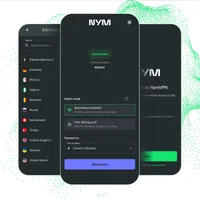
What is NymVPN changing?
When you pay for NymVPN, your payment is converted into NYM tokens, which are used to issue an anonymous credential called a zk-nym. Your app uses that credential to access the network, and nobody, including Nym itself, can link your payment details to your activity.
Those credentials are signed by a group of independent operators rather than a single company. Each operator only holds part of the signing key, so none of them can reconstruct the full key and de-anonymize you. The technical documentation describes this as threshold issuance, where only a set number of signers need to take part.
The upgrade will rotate this system's signing keys and refresh the operators who run it, which Nym says will give its credentials a more robust and more decentralized foundation.
Key rotation is standard security hygiene. Replacing cryptographic keys on a regular schedule limits how much damage can be done if any single key is ever compromised.

NEW: Leave No Trace — A weekly newsletter on digital privacy and online surveillance.
Leave No Trace investigates the companies and governments putting our digital freedom at risk — and the people fighting back.
📩 Subscribe now to get every edition delivered to your inbox every Friday, launching this September.
What's next for NymVPN, and how to have your say
Nym has also published a fresh roadmap. Coming up next are saved profiles for entry and exit server combinations, QR code support for faster free-pass activation, geo-exclusion for Russia, and more languages.
Further ahead, Nym plans to decentralize the network's remaining controls, merge NymVPN with its Nym wallet, and expand residential IP coverage for stronger censorship resistance. It's also working on per-app split tunneling between NymVPN's dVPN and Mixnet modes.
Perhaps most interesting is that users can have their say on what the team builds next.
The roadmap page includes a feature request board where anyone can vote, and faster speeds across all modes currently sit at the top of the list and are marked as in planning. Optional automatic server rotation and destination address routing, for services like Tor, follow close behind.
It's another sign of a VPN that's developing quickly, with other recent updates including its pay-as-you-go option and post-quantum protections as standard.
Follow TechRadar on Google News and add us as a preferred source to get our expert news, reviews, and opinion in your feeds. Make sure to click the Follow button!
